
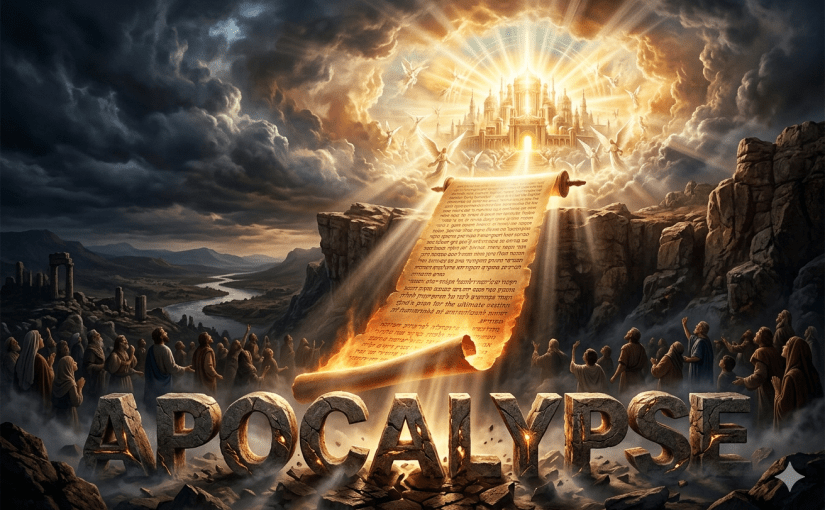
Mel Gibson Reveals a Different End Times Timeline
And It’s Hard to Ignore.
Inside the Ethiopian Bible — a text Rome never controlled — there is a prophecy recorded after the resurrection. Jesus looks at his disciples and describes a generation that will know his name but not his voice. A generation that fills cathedrals, speaks his language fluently, and has already lost him completely. Mel Gibson says that prophecy is describing right now. And the Western church buried it before you were born.
What Does the Apocalypse Mean? (Bible Hub)
The term “Apocalypse” often refers to the Book of Revelation (Greek: Ἀποκάλυψις, Apokalypsis), the final book of the New Testament. However, “Apocalypse” is also used more broadly to describe any unveiling or disclosure of truths about the end times, final judgment, or ultimate divine purposes. This entry explores its scriptural foundations, central messages, interpretive approaches, and enduring relevance.
1. Definition of the Term “Apocalypse”
The word “Apocalypse” derives from Greek, meaning “uncovering” or “revealing.” In Scripture, it encompasses visions or prophecies that reveal God’s plan for the ultimate destiny of humankind and creation. While often associated with frightening imagery, the heart of apocalyptic writing is hope and promise of divine intervention.
2. Old Testament Roots and Connections
Several Old Testament passages prefigure the apocalyptic focus on God’s final victory over evil. Notable sections include:
• Daniel 7-12 – These chapters largely shape the later New Testament portrayal of end-time events. Daniel’s visions reveal a sequence of kingdoms, culminating in the reign of the “Ancient of Days,” signifying God’s everlasting dominion.
• Ezekiel 38-39 – Here, God’s sovereignty is displayed, pointing to a climactic clash followed by restoration.
Such passages prepare readers for the New Testament’s fully developed apocalyptic messaging.
3. New Testament Foundations
Apocalyptic themes permeate the New Testament, though they are most vividly seen in the Book of Revelation. Additional references include:
• Matthew 24-25 (the Olivet Discourse): Jesus speaks of end-time tribulations, the need for vigilance, and the ultimate return of the Son of Man.
• 1 Thessalonians 4:16-17: This passage shows Christ’s triumphant return, highlighting the resurrection of believers.
• 2 Peter 3:10-13: Emphasizes the transformative destruction and renewal of creation.
These references align with Revelation’s overarching narrative of final conflict and redemption.
4. The Book of Revelation: Core Teaching
Revelation is the central text commonly called the “Apocalypse.” The opening verse states:
“The revelation of Jesus Christ, which God gave Him to show His servants what must soon take place. He made it known by sending His angel to His servant John” (Revelation 1:1).